Construction Handover Countdown: Planning the Final 30 Days
The last 30 days before project handover pack more interdependent tasks into less time than any other phase of a build. Learn how to plan and execute the final countdown.
2026-09-23
Practical takes on planning, running sites, and keeping owners happy.

The last 30 days before project handover pack more interdependent tasks into less time than any other phase of a build. Learn how to plan and execute the final countdown.

A photo taken today is your strongest evidence tomorrow. Learn how on-site progress updates become a timestamped, dispute-proof project record.

When material costs spike after a fixed-price contract is signed, a clear variation claim protects your margin. Here is how to document and present one.

A sub who stops showing up creates a gap no one was planning for. Here is how to document, replace, and recover.

When clients buy their own tiles or fixtures, delivery becomes a Gantt task too. Here is how to plan for it and protect your timeline.

Renovation projects need a different schedule from new builds — authority approvals, existing services, and phased handovers all shift the plan.

A baseline turns your Gantt from a list of hopes into a measuring stick. Here is how to set one and use it before slippage takes hold.

A mistimed concrete pump or crane booking costs standby fees and lost crew time. Here's how to make equipment hire a first-class Gantt task.

Thai building permits take 30–90 days — or longer. Here's how to buffer for approval delays without derailing your whole project schedule.

The first week on site sets the tone for the whole project. Here is how to plan and track mobilisation on your Gantt.

A master Gantt shows the whole project. The three-week look-ahead tells your foreman what to do Monday morning.

Pouring concrete is not the end — the curing period is. Add the wait as a Gantt task so the next trade starts on the right day.

Order tiles two weeks late and your crew stands idle for a week. Here is how to work back from install dates to order deadlines and put them on your Gantt.

MEP delays are the top cause of schedule slippage on Thai residential builds. Learn how to sequence electrical, plumbing, and AC work on the Gantt.

Material prices rose up to 8% in Thailand in 2026. Read your Gantt backward to time purchases, lock in prices early, and protect your project margin.

Overlapping trades is one of the fastest ways to lose a week. Sequence your subcontractors on the Gantt and end the conflict.

Delay penalty clauses are in almost every Thai construction contract. A properly kept Gantt schedule is the record that protects you.

One crew leaving and the next arriving is not a phase handover. A short close-out checklist and a Gantt milestone lock in what done really means.

Most Thai construction schedules miss 15 to 20 non-working days a year. Here is how to mark every holiday so the delivery date is one the owner can count on.

Most Gantt schedules slip because durations were guesses. Here is how to calculate task lengths your crew can actually hit.

A clean handover protects your final payment and your reputation. Here is what to prepare before the handover meeting so nothing is left to memory.

After handover, the DLP is still your responsibility. Track warranty milestones on the Gantt and document every repair visit to protect your final payment.

Inspections gate each phase of a build — skip one and work halts. Here is how to put them on the Gantt so they never catch you off guard.

Every construction project has a chain of tasks that controls the end date. Here is how to find and protect it on your Gantt.

Missed inspections stall permits, delay payments, and frustrate owners. Here is how to embed quality checkpoints directly into your construction schedule.

Most owner reports are too long, too technical, or never sent. Here is the short format that keeps owners informed without burying them.

Most site data goes untracked not because foremen are lazy — they're busy. Here's how to build a daily update habit that sticks on any site.

Most site delays start when materials arrive late. Add delivery tasks to your Gantt and you can see the problem before the crew does.

Most payment disputes start with a fuzzy milestone. Link each payment draw to a clear point on your Gantt and document it before asking for money.

Thailand's wet season runs May to October. Here's how to buffer your Gantt so rain doesn't blow the whole timeline.

A well-run site is not about working harder — it is about everyone seeing the same plan, the same progress, and the same priorities every day. Here is how to set one up.

Skilled crews are harder to book than ever. Here is how to adapt your Gantt so labour gaps do not turn into costly delays.

Unanswered design questions are a hidden cause of site delays. Here is a practical RFI tracking system any SME contractor can run without specialist software.

A short daily huddle before work starts prevents most of the miscommunication that kills afternoon productivity. Here is how to run one.

A scope change arrives in every project. The key is whether it is documented, assessed, and visible on the Gantt before work begins.

Managing multiple construction projects at once is where schedules collapse and crews go idle. A multi-site project management guide to keeping multiple construction teams across sites on track simultaneously.
A messy punch list is where good projects lose their final payment. Here is how to run one that closes fast.

Your Gantt knows when money should come in and go out. Here is how to read it for cash flow timing.

A delayed project is not lost. Here is the step-by-step recovery process to get your schedule back on track.

Subcontractors run on their own schedule unless you tie them into yours. Here is how to keep every trade on the same plan.
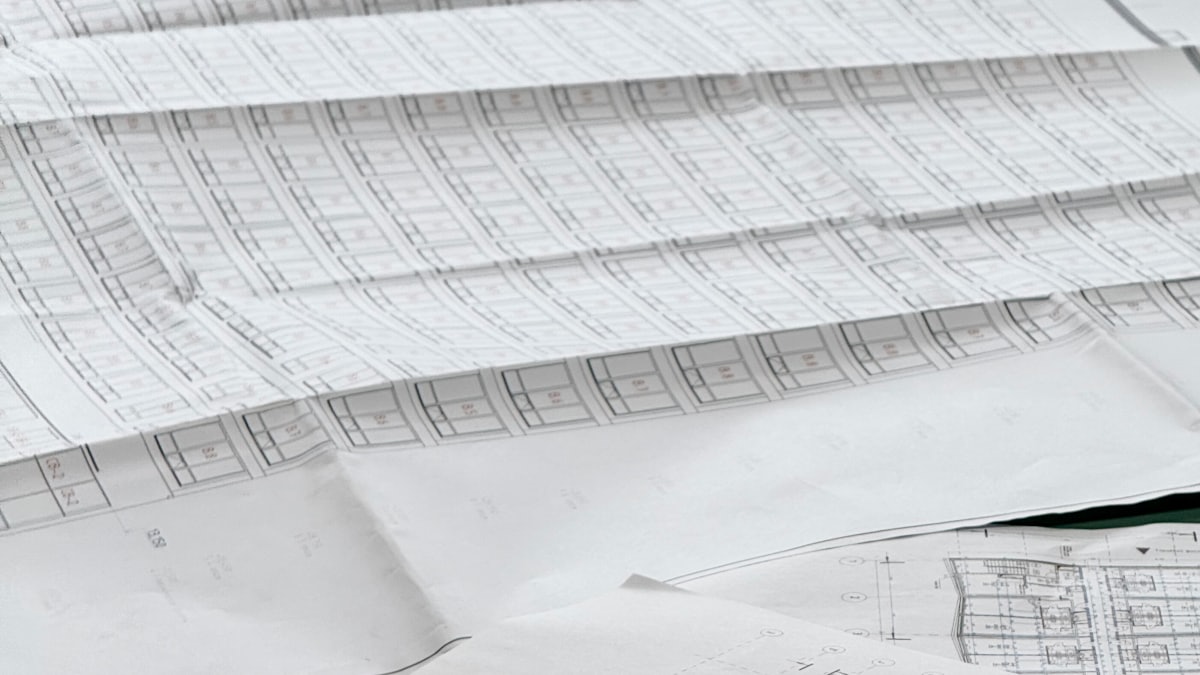
The S-curve is the one chart that tells you if a project is ahead or behind at a glance. Here is how to read it.
Most delays are visible weeks before the deadline. These are the five warning signs and what to do about each.

Spreadsheets show dates. A Gantt shows whether you will actually hit them. Here is the difference on a real job.
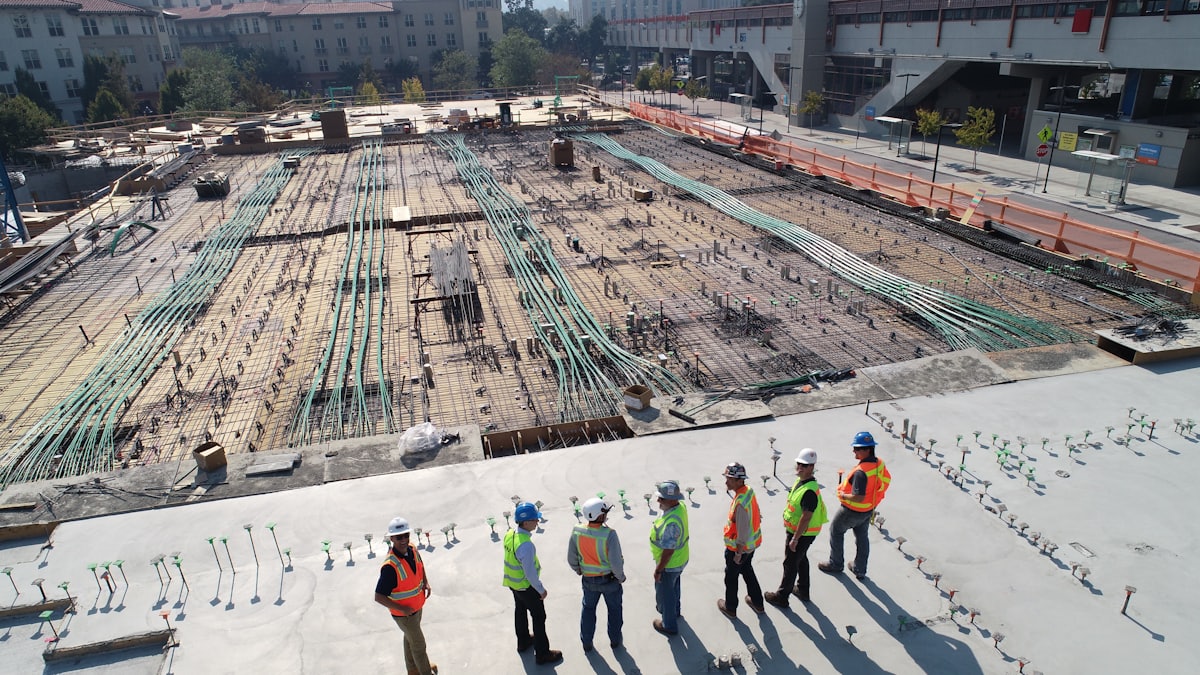
A schedule nobody opens is wasted. Here is how to turn a Gantt into a weekly plan the site will actually run on.

If reporting progress takes more than a few taps, it will not happen. Here is the workflow we designed for foremen.

A live progress link does more for your reputation than any brochure. Here is why owners love it.